News and Article
 15 June 2026
Muftia Parasati
15 June 2026
Muftia Parasati 7 Hybrid Workplace Trends Every Business Should Know in 2026
The hybrid workplace trends are now on the rise. Many employees are seeking flexible workplace arrangement, which is the blend between on-site and remote working. In fact, companies that implement hybrid workplace culture are considered more “attractive” to top talents. It serves as a business strategy to create a work environment that supports flexibility, productivity, and employee well-being at the same time. Supported by digital technology and changing employee expectations, hybrid workplace trends continue to shape how companies operate and collaborate.
Let’s explore the hybrid workplace trends that companies should expect and adopt in 2026.
What is a Hybrid Workplace?
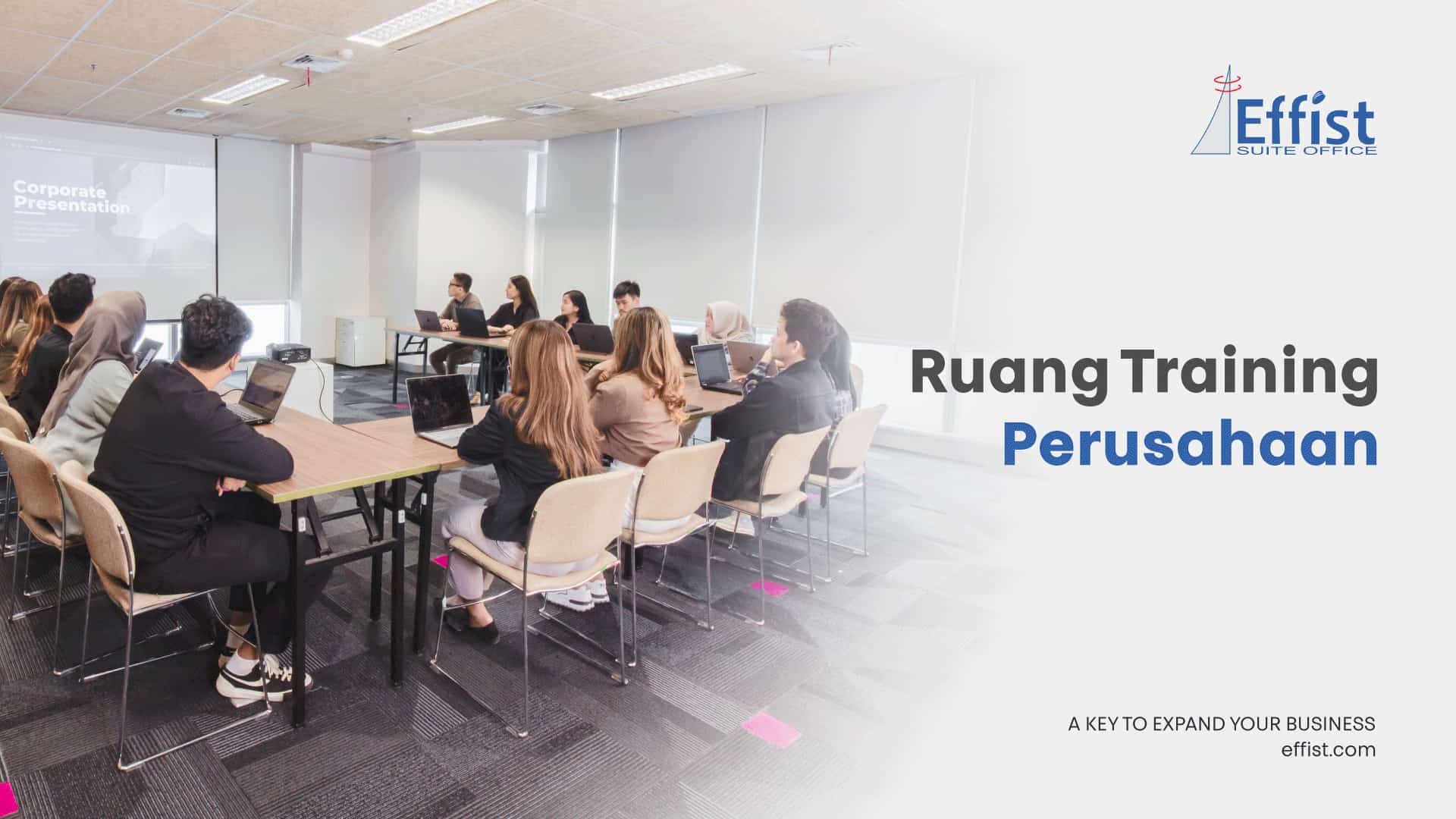
A hybrid workplace refers to a working model that combines on-site and remote work. Some employees may come into the office on set days, while others may come in only for meetings or team activities. Rather than requiring employees to be on-site five days a week, companies let employees decide where they work depending on the nature of their tasks or schedules.
The hybrid working model is designed to provide flexibility while still preserving face-to-face collaboration when needed. Despite its benefits, hybrid workplace culture also has its challenges. For example, there is the risk of a two-tier culture, where in-office workers get more visibility and opportunities than remote ones.
Read More: Hybrid Working: Work Revolution Company Should Know!
Benefits of Adopting Hybrid Work Culture
Several benefits of adopting hybrid workplace strategy including:
Increased Flexibility
One of the main benefits in a hybrid workplace is flexibility. This working model allows employees to tailor their working hours and choose the best environment where they can be the most productive. For example, outside the office, employees may choose to work from home, cafe, or coworking space. This allows employees to have control over their environment, resulting in higher job satisfaction and lower burnout rates.
More Work-Life Balance
With the ability of working remotely part of the time, employees can better manage their personal responsibilities, such as school pickups, medical appointments, physical exercise, or simply having lunch at home. This balance reduces stress and improves employee wellbeing, which directly contributes to a more engaged and loyal workforce.
Better Physical and Mental Health
Waking up earlier, dealing with long commutes, and navigating overcrowded public transportation or heavy traffic can lead to both physical and mental exhaustion. As a result, employees may feel drained and less productive before the workday even begins. Fewer long commutes mean more time for exercise, home-cooked meals, and adequate sleep. Reduced exposure to office-related stress, noise, and social pressure also supports mental health. At the same time, regular in-office days preserve the human connection that fully remote work can erode.
Access to Larger Talent Pool
Hybrid workplace culture allows companies to access talent pool from different regions or even countries. This opens doors to diverse skills sets and perspectives that might not be available in local talent pool. This also means businesses are no longer competing only with local employers, but are positioned to attract top-tier talent on a national or even global scale. This expanded reach is particularly valuable for specialized roles, such as data scientist or cybersecurity experts, where the supply of qualified candidates may be limited locally.
Cost Savings
Hybrid workplace trends can benefit both companies and employees financially. For example, employees can save on commuting, meals, and other work-related expenses. On the company side, they can cut rent, utilities, and facility costs. These savings can be allocated into other areas, such as better compensation and tools, creating win-win dynamics.
Read More: Employer Branding: Definition, Benefit, and How to Build It
7 Hybrid Workplace Trends to Watch in 2026
Implementing hybrid workplace culture is not a one-time initiative. Following the latest hybrid workplace trends allows companies to adapt and refine their working policy. Here are top 7 hybrid workplace trends every company should know:
AI Integration in Hybrid Workflows
Advanced technologies like AI are increasingly dominating various aspects of business operations. Companies are encouraging employees to embrace AI for handling routine tasks and increasing efficiency through automation. Many hybrid teams rely on AI-enhanced platforms to boost brainstorming and collaboration across multiple locations. As these tools grow more capable, they are no longer just an add-ons, but more like indispensable tools to support productive work in a hybrid setting.
Increased Demand for Flexible Workspaces
Many hybrid companies are moving from the rigid and traditional office space into more adaptable workspaces that can support a hybrid environment. For example, coworking spaces, serviced offices, and shared offices. These office space solutions are popular for hybrid teams who want more flexibility with less overhead. Flexible workspaces allow businesses to scale more efficiently while giving employees access to professional environments closer to home. This trend is popular among startups, remote companies, and businesses expanding into new markets.
Your Team May Actually Grow Closer in Hybrid
Contrary to concerns about hybrid employees may feel disconnected or less engaged, evidence suggests otherwise. According to “Navigating the Future of Work” report from Zoom, hybrid employees reported higher level of connection with their managers, team members, and senior leadership compared to their in-office counterparts. Hybrid work can foster healthier working relationships by offering a better balance between professional and personal life. Through technology and strategic planning, hybrid companies can still create a sense of belonging despite not physically together on a daily basis.
Hybrid is Winning the Talent War
Flexibility has gone from a workplace perk to a bare minimum. Gallup’s insights in 2025 show that 52% employees with remote-capable jobs want a hybrid work arrangement, while 26% prefer fully remote work, and around 22% prefer to work on-site. According to the “Navigating the Future of Work” report from Zoom, 62% of business leaders are able to recruit talent more broadly as a key factor driving the adoption of flexible work arrangements. Modern employees are most likely to pursue flexible work models. Companies enforcing five-days-in-office mandates may find it harder to attract and retain talent in 2026.
Focus on Outcome-Based Metrics
Hybrid work arrangements change the way work performance is measured. Hybrid companies no longer measure productivity by hours logged or seat filled. The shift from outputs to outcomes in knowledge work is reaching a tipping point. In 2026, performance measurement is moving toward outcome-based metrics rather than time-based attendance tracking, with employee satisfaction scores consistently ranking higher in well-managed hybrid environments compared to traditional in-office arrangements.
The RTO Backlash Continues
Despite return-to-office (RTO) mandates from various major companies, many employees seem to be resisting, with data backing them up. According to SurveyMonkey’s remote and hybrid work statistics in 2026, 48% workers believe that RTO mandates are about micromanaging employees. 29% employees even state that if a remote or hybrid position became fully office-based, they would look to leave their job.
The End of Assigned Seating
Assigned seating has been declining every year, dropping to just 25% of companies surveyed by CBRE from 40% in 2024. Hybrid companies are moving to hot-desking as a way to create a more flexible and dynamic work environment. Flexible seating allows employees to choose their own workspace depending on their tasks, like a private room for deep-focused work or open space to encourage collaboration. It’s also an effective way to boost attendance without rolling out a hard line mandate.
Get a More Agile and Flexible Workplace with Shared Office Solutions from Effist Suite Office
Building a hybrid work environment that supports an agile and flexible work culture starts by choosing the right office space. Effist Suite Office offers fully equipped serviced offices that enable your team to perform at their best from day one, without the hassle of decorating and managing office facilities. Our serviced office solutions are available on both monthly and annual rental terms, including individual workstations (1 desk) in a shared office setup for those seeking a more affordable yet professional option.
We equip our office spaces with comprehensive facilities, including ergonomic workstations, high-speed internet, executive office equipment, access to meeting rooms and business lounges, a pantry, and additional support services such as receptionists and cleaning. Effist Suite Office is located in the prime business hubs of South Jakarta: EightyEight@Kasablanka and Gandaria 8 Office Tower. With Effist, you can stay focused on your core business activities while we manage your operational needs.For more information about our serviced office and shared office, contact us at contact@effist.com.
Editor: Irnadia Fardila