News and Article
 19 August 2025
Muftia Parasati
19 August 2025
Muftia Parasati Customer Loyalty Guide: Strategies to Drive Repeat Sales
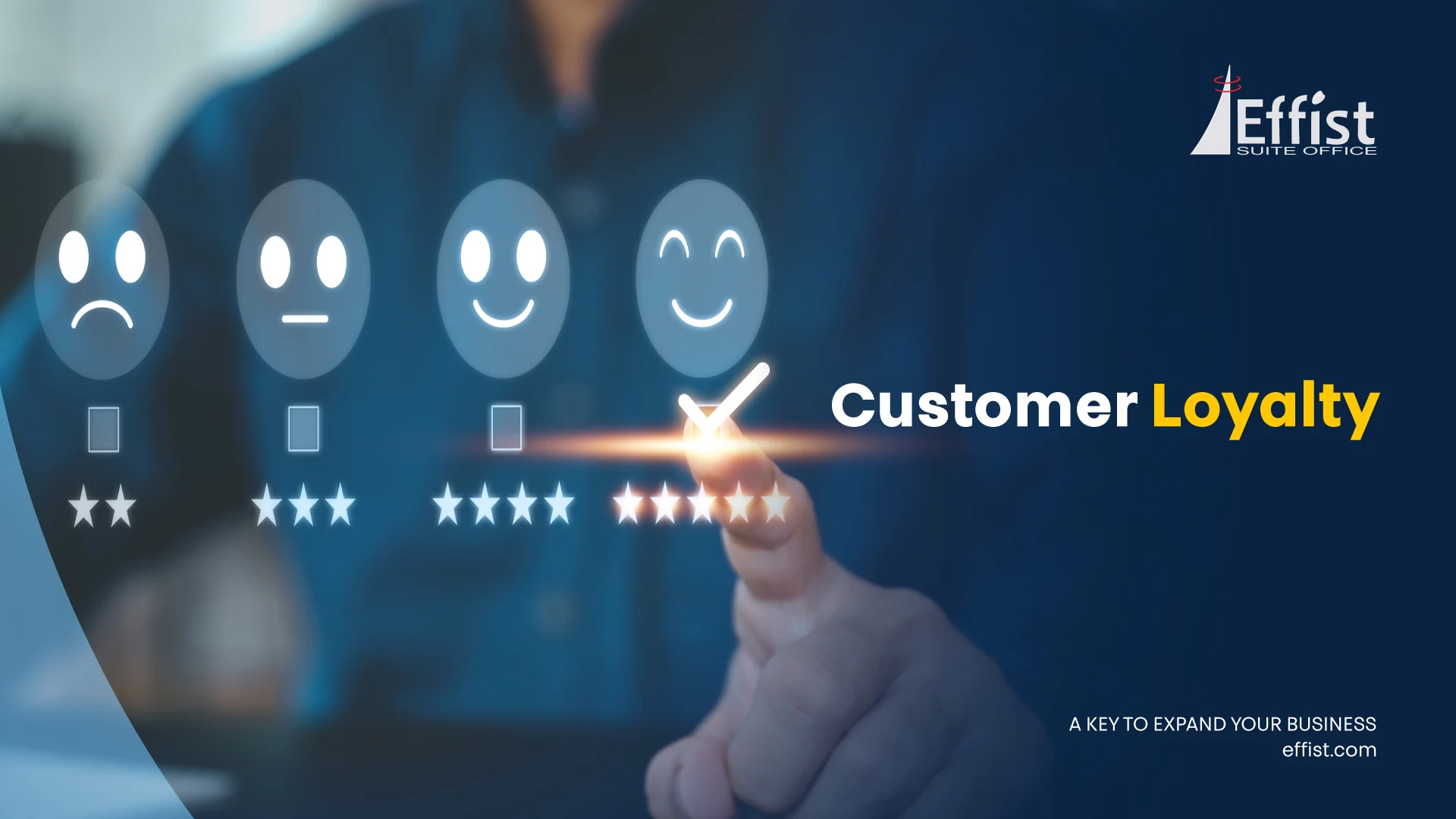
Happy and loyal customers are the backbone of many successful businesses. Their repeat purchases grow the company’s revenues, and if they have a positive experience, they’re more likely to spread positive word-of-mouth to other people. But customer loyalty isn’t just repeat purchases. It’s about building a connection that keeps people returning, even when competitors offer discounts left and right. Let’s explore the essentials of customer loyalty and strategies you can implement to build customer loyalty for your business.
What is Customer Loyalty in Business?
Customer loyalty refers to a customer’s ongoing commitment and preference toward a brand or business. It is reflected in the customer’s willingness to repeatedly choose, purchase from, and advocate for one brand over competitors, even when similar alternatives exist. Several factors influence customer loyalty, including product or service quality, customer experience, loyalty programs, customer service, and effective communication. Loyal customers provide a steady foundation for business growth, as they help the company grow faster than any traditional marketing or sales scheme.
How to Measure Customer Loyalty?
Measuring customer loyalty requires a combination of quantitative and qualitative methods. Below are some of the most common methods to assess customer loyalty:
Net Promoter Score
Net Promoter Score (NPS) measures loyalty by asking customers a powerful question: “How likely are you to recommend our product or service to a friend or colleague?”. Customers will respond on a scale from 0 to 10. Based on their answers, they’re classified as promoters (9–10), passives (7–8), and detractors (0–6). The higher the NPS, the greater customer loyalty toward a company.
Repeat Purchase & Multi-Product Purchase Rates
Repeat purchase rate examines how many customers come back for additional transactions. At the same time, the multi-product purchase rate focuses on whether customers expand their buying habits to include more products. High scores show strong customer trust and satisfaction, signaling loyalty and health in customer relationships.
Customer Satisfaction Score
Customer Satisfaction Score (CSAT) measures customer happiness with a specific interaction or transaction. For example, customers are asked to rate their satisfaction after a purchase or contacting customer service, usually on a scale from 1 to 5 or 1 to 10. CSAT is measured by calculating the percentage of customers rating their experience as satisfied or very satisfied.
Brand Engagement Metrics
Beyond transactions, loyalty can be measured through engagement metrics like frequent website visits, active involvement on social media, and submission of product reviews. High engagement levels often reflect loyalty, as these customers interact with your brand beyond purchasing.
Customer Loyalty Index
Customer Loyalty Index (CLI) goes further by asking questions on not only recommendation likelihood but also intention to make repeat purchases and try new products. Surveys typically use a scale from 1 to 6, and results from multiple questions are averaged to give a comprehensive loyalty score.
Why is Customer Loyalty Important?
Keeping a happy customer is easier than winning over a new one. That’s why a company’s success or even the survival of a company often depends a lot on a loyal customer base. Here are several reasons why customer loyalty is important:
Reduced Marketing and Acquisition Costs
Retaining existing customers is far less expensive than attracting new ones. Loyal customers already have a relationship with the company, so that they can allocate less budget on marketing and advertising. Acquiring a new customer can cost up to five times more than keeping an existing one, making customer retention a more efficient and profitable strategy.
Increased Revenue and Profitability
Loyal customers are more likely to spend over time than new customers, making them a reliable revenue stream for businesses. According to Zippia, increasing customer retention rates by 5% can boost profits by 25% to 90%. Loyal customers also try new products and services, further enhancing the company’s profitability.
Stable Business Growth
When customers repeatedly choose a company over competitors, revenues become more predictable. This allows for more accurate business planning and stable growth. Loyal customers’ consistent patronage forms a solid financial foundation and offers resilience against market fluctuations.
Stronger Brand Reputation
Happy and loyal customers will enhance your brand’s credibility and reputation. They are the company’s enthusiastic advocates and spread positive word-of-mouth to their friends and family. This word-of-mouth marketing is highly effective and comes at no extra cost. It will help businesses attract new customers through trusted referrals and build a strong brand reputation.
How to Build Customer Loyalty?
Winning loyalty doesn’t happen by accident. Instead, it’s built through consistent effort and care. Let’s explore the strategies you can implement to turn first-time buyers into loyal customers:
Understand Your Customers
Start by understanding your customers’ behavior, preferences, and needs. Use tools like CRM systems, data analytics, and surveys to gather insights about your customers’ purchasing patterns and feedback. This lets you personalize recommendations and services, making customers feel recognized and valued, encouraging repeat business and trust.
Create Clear Value Propositions
Your value propositions should outline why customers should choose and remain loyal to your brand over competitors. Highlight unique benefits such as exclusive access, time savings, or excellent customer service. Show how you’ve improved products or services based on customer feedback, which will foster transparency and emotional connection.
Launch Loyalty Programs
Loyalty programs are one of the most popular ways to build customer loyalty. Implement loyalty programs offering repeat purchase points, discounts, or VIP benefits. This will create tangible incentives and exclusivity that keep customers engaged over time.
Provide Exceptional Customer Service
According to HubSpot, 93% of customers are likelier to make repeat purchases with companies offering excellent customer service. Quick issue resolution and attentive, empathetic interactions make customers feel valued and build emotional bonds. Good customer service brings a positive experience to customers, making them happy and loyal to your brand.
The Right Environment Builds the Right Reputation: Partner Now with Effist
Your office space is important in shaping first impressions and long-term customer relationships. At Effist Suite Office, we offer more than just an office space. We provide a business-ready environment where professionalism thrives. Effist Suite Office offers ready-to-use serviced offices with complete facilities, including high-speed internet, ergonomic office equipment, meeting rooms of various sizes, a business lounge, a pantry, and professional secretarial and cleaning services. Our premium office spaces are suitable for companies looking to expand their operations to Indonesia efficiently and professionally.
Strategically located in South Jakarta’s central business hubs, Gandaria Office 8 Tower and 88 Office Kota Kasablanka, Effist Suite Office delivers an ideal environment to impress clients and enhance credibility. For more information regarding our serviced office, email us at contact@effist.com.
Editor: Trie Ayu Feminin & Irnadia Fardila
Categories
Recent Posts
Go-To-Market Strategy: Guide for Successful Product Launch
06 January 2026
7 Langkah Menyusun Rencana Bisnis yang Tepat dan Efektif
05 January 2026

Customer Trust Guide: Building Loyalty and Lasting Success
23 December 2025